

Bhutan – Part III: In Search of the Secret Behind the Smile
Tiger's Nest and the Answer I Came Looking For
Like almost everyone who visits Bhutan, I had been looking forward to Tiger's Nest from the moment I began planning this trip. Perched on the side of a granite cliff nearly 3,000 feet above the Paro Valley, Paro Taktsang is one of the world's most recognizable monasteries. Every photograph captures its breathtaking setting, but no picture truly conveys what it feels like to stand there after making the climb yourself.
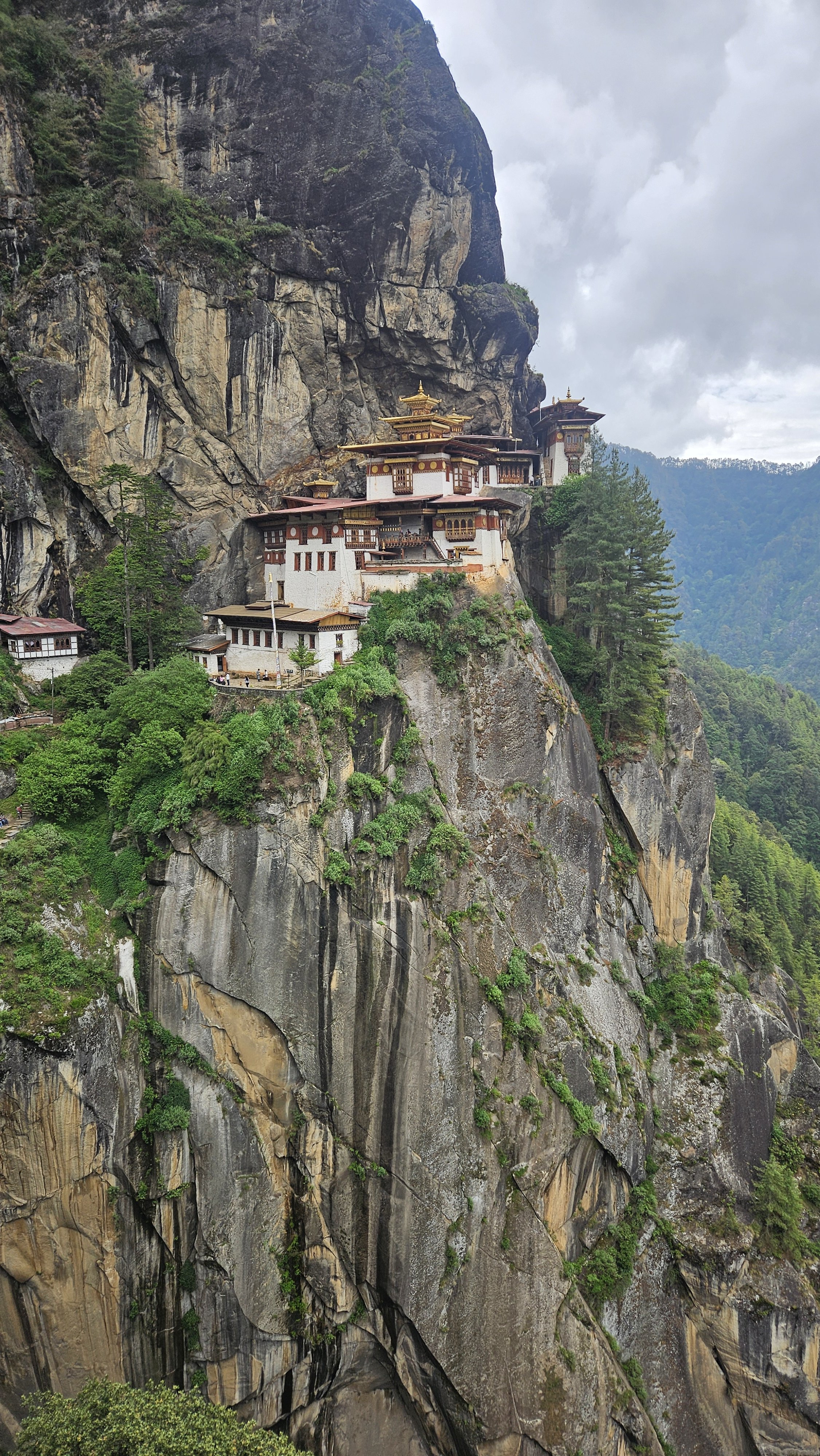
Tiger’s Nest (Paro Taktsang, (a.k.a. Taktsang Palphug Monastery)
Before leaving home, I'll admit I worried about the hike. I hadn't done much hiking over the winter, and I wondered whether the altitude and the steep trail would be more than I could handle. It turned out to be manageable, if not exactly easy. I walked alongside one of our partner staff for most of it, taking turns setting the pace and getting to know each other along the way. The hike runs about 5 to 6 miles depending on where you start, with roughly 1,700 feet of elevation gain.
As we climbed, colorful prayer flags fluttered between the trees. Just when I thought we'd reached the highest point, I noticed a set of steps leading back down into the valley. I looked at my guide, half-hoping I'd misread the trail. With a smile, he explained those steps would take us down to a waterfall before the final climb up to Tiger's Nest. I wish I could tell you my reaction was serene. It wasn't. My honest thought was something closer to, "You have got to be kidding me. I hiked up just to hike back down to a waterfall, and then back up to Tiger's Nest, and eventually back down again?" We were standing in front of the most sacred temple in the nation, and I asked for a zipline. Meanwhile, an eighty-year-old couple from New Zealand passed us, hiking cheerfully. Message received. I zipped my mouth and started going down the stairs.
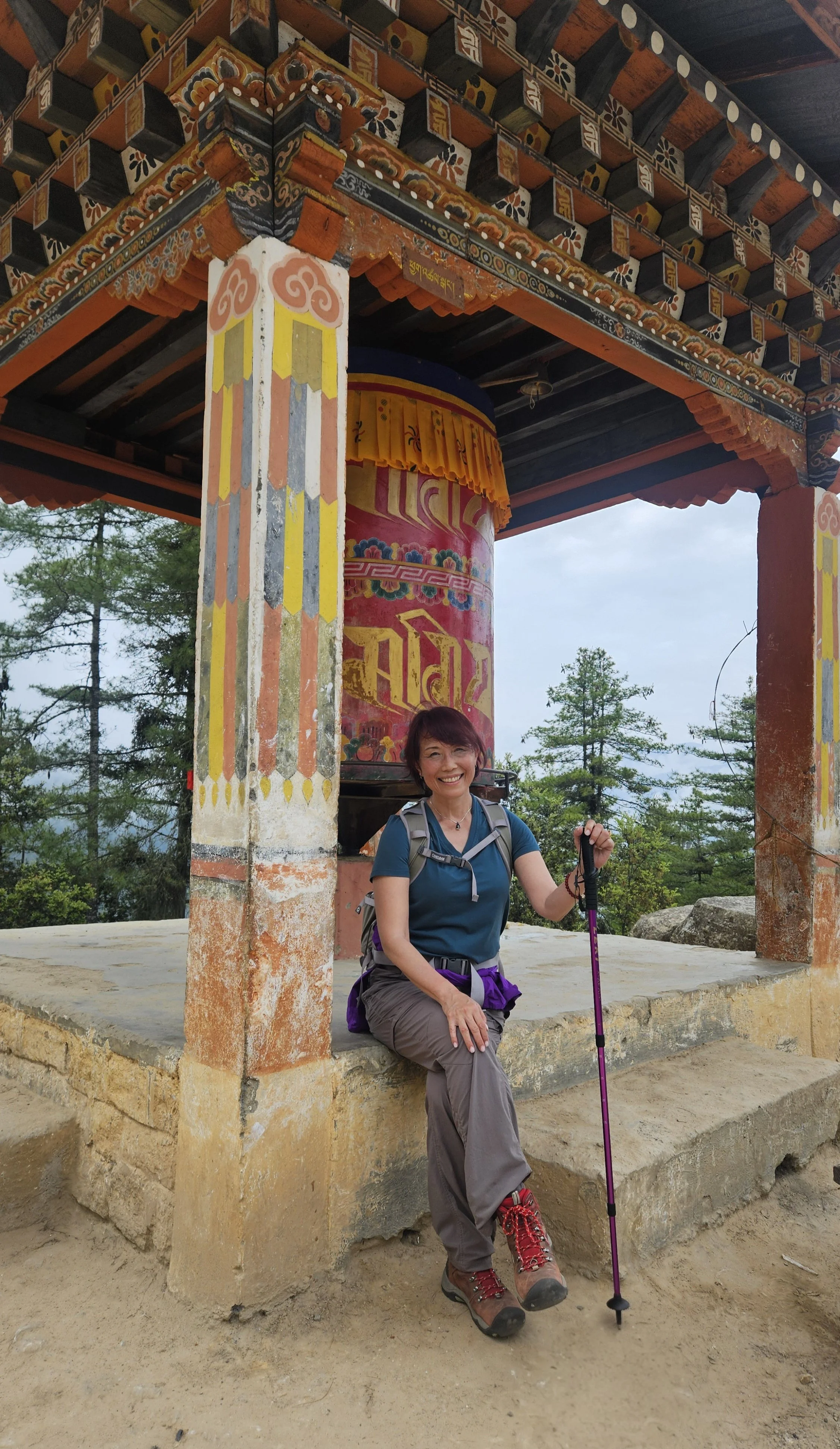
As I got closer to Tiger's Nest, something shifted. I realized the monastery building itself wasn't really the destination. The journey had been the lesson all along. For that final stretch, I found myself quietly chanting "Om Mani Padme Hum," a mantra one of the monks had taught us during a conversation earlier in the trip, asking us to carry it with us. He told us it's meant to purify negative karma, invoke blessings, and foster peace. Every guide and staff member we met along the way knew it, and I noticed it carved into some of the rocks lining the trail.
Inside Tiger's Nest, the rules were the same as at the other monasteries we'd visited: no shoes, no photos. So I have no pictures to share of the interior, but I can tell you it was painted with vivid deities and symbols of peace, power, and kindness. Monks preside over each room, offering prayers and holy water, and many visitors come specifically for the blessings offered there. The story behind the site traces back to the 8th-century Indian tantric master Guru Rinpoche, who legend says flew from Tibet to this cliff face on the back of a flying tigress to subdue evil spirits and introduce Buddhism to the region. It’s hard to see from where we stand on the trail, but if you look up at the higher rock face today, some say we can still make out the shape of a Bengal tiger in the stone.
By the time I reached Tiger's Nest, I realized I spent days noticing the same values expressed in different ways throughout the country. A traditional herbal doctor reminded me that wellness is about more than the physical body. A senior monk encouraged us to live for the moment and stay mindful. Another told us simply to acknowledge our mistakes, learn from them, and keep moving forward. A farming family welcomed us into their home as though we'd known each other for years. Every hotel staff member, guide, chef, and driver we met carried themselves with pride in their culture and genuine warmth. Tiger's Nest didn't teach me anything new. It summed up the spirit of Bhutan I'd already seen.
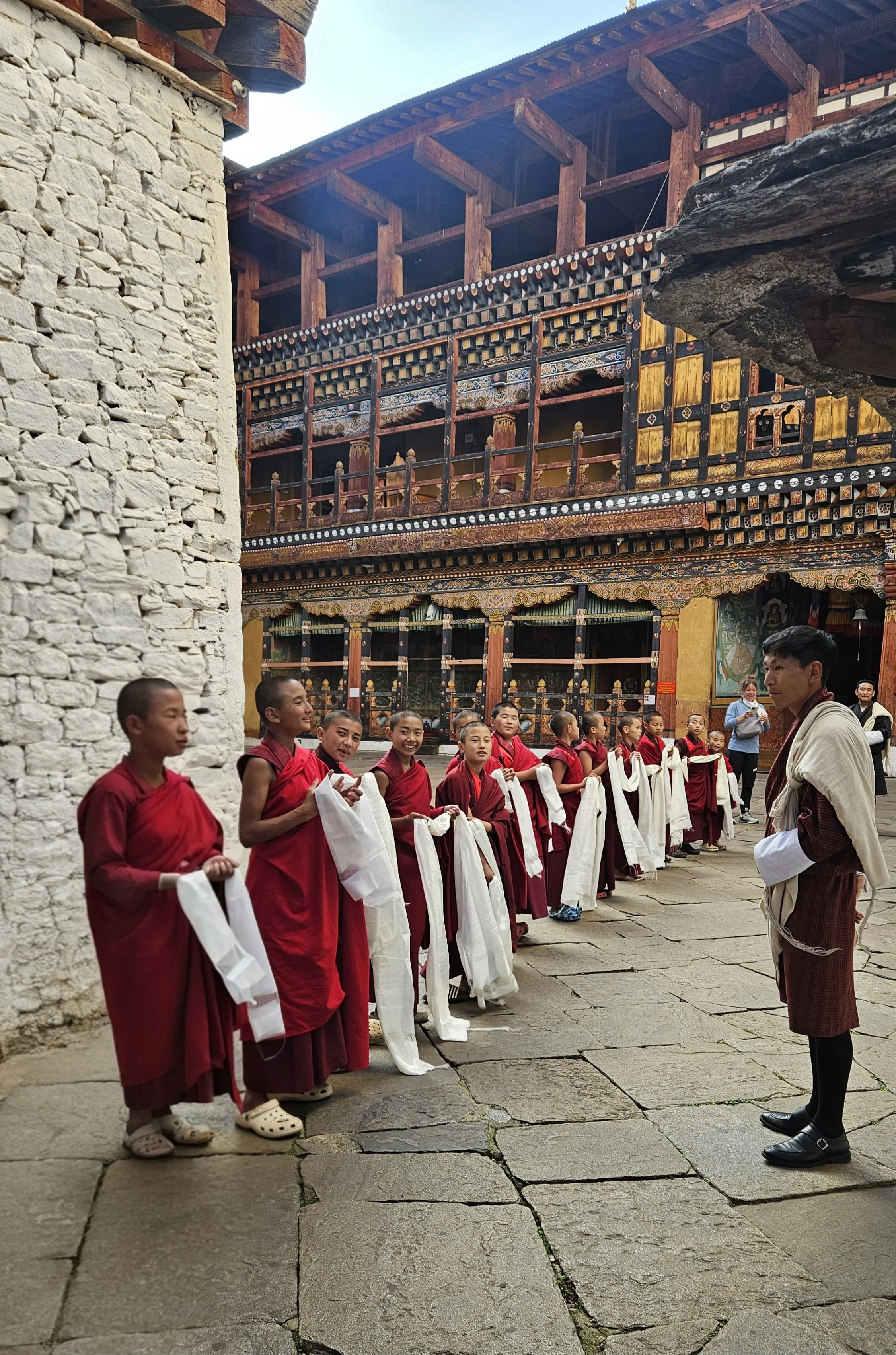
One of the most touching moments of the entire trip happened just before we entered one of the monasteries along the way. A group of young monks stood in line to welcome us, many of them orphans, though what struck me wasn't sadness, it was pure excitement. Their faces lit up as they carefully placed white ceremonial scarves around each of our necks, a gesture meant to represent blessing and goodwill. There were more of them than us receiving the scarf. As we walked away from the line, the rest of them came to us and said, “I’d like you to have this” and placed them around our necks. We were all wrapped in a bundle of white scarves and surrounded by the young monks with big smiles. This wasn't a stop built for tourists; it's an active temple where these children actually live. Our visit was the highlight of their week. While we were receiving the blessing chant, no one seemed to be correcting their movements or asking for anything close to perfection. They simply laughed and smiled, delighted at the chance to welcome visitors from somewhere far away. Their joy wasn't rehearsed, and it was contagious. I found myself smiling just as widely without meaning to. Of everything I brought home from that trip, that moment has stayed with me more vividly than any photograph could.
Later, in conversation with monks, tour staff, and people we met along the way, I found myself struck by how practical Bhutanese spirituality really is. I grew up with a grandfather who was a Japanese Buddhist monk and a mother who spent her childhood at a temple, so these teachings and conversations were not entirely new to me. But hearing them again, as an adult, in this setting, felt different and was a great reminder. The monks I met didn't talk about achieving perfection. They talked about practice: live with kindness, accept that mistakes are simply part of being human, learn from them, and keep going. I heard some version of that same idea again and again throughout the trip, whether I was talking with a guide, a chef, a farmer, or a hotel manager. They all strive to live fully in this moment, because the past has already happened and the future hasn't arrived yet, and what we do today is what brings tomorrow.
Standing above the Paro Valley from Tiger's Nest, I finally felt like I had an answer to the question that brought me to Bhutan in the first place: why do people come home from this country with such peaceful smiles?
Bhutan isn't a perfect country, of course, like anywhere, it faces its own challenges and change. But throughout my time there, I rarely heard anyone talk about what they lacked. Instead, I met people who were proud of their country and genuinely wanted to share it with me. I met young people hoping to study abroad so they could return home and give back. I met families who opened their doors to complete strangers. I met hospitality professionals who cared less about impressing their guests than about making them feel truly welcome. And I met children whose smiles needed no translation at all.
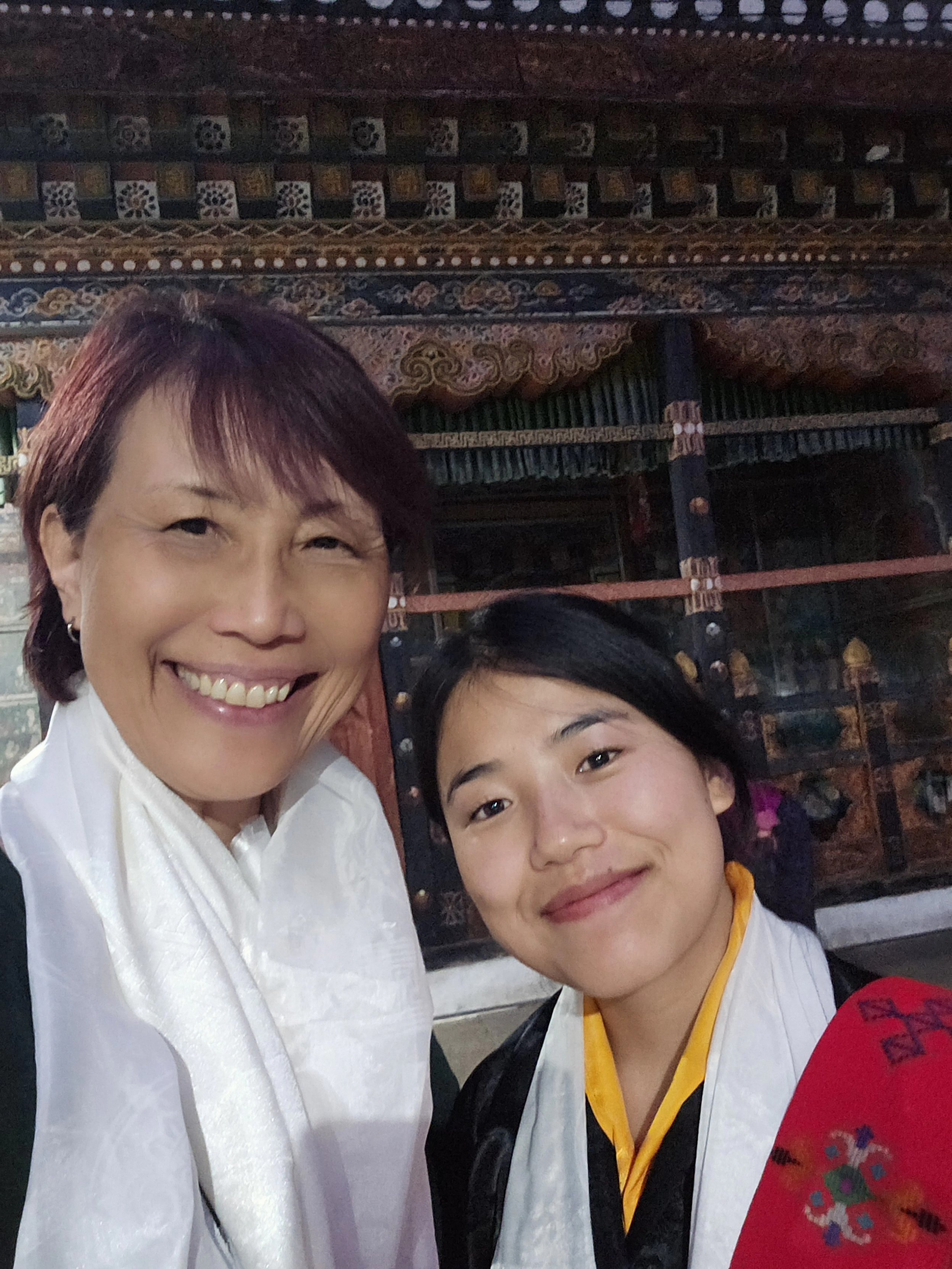
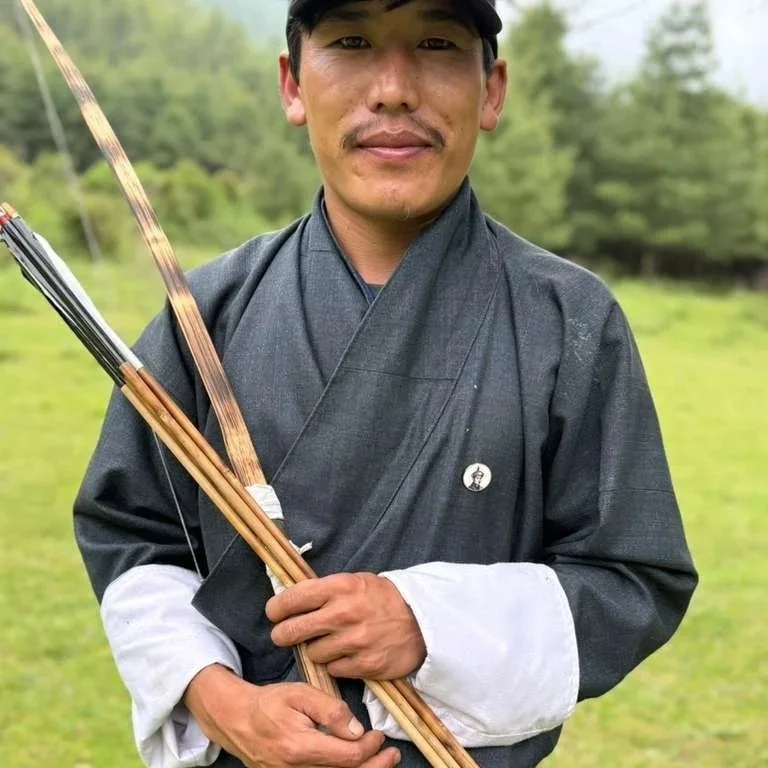
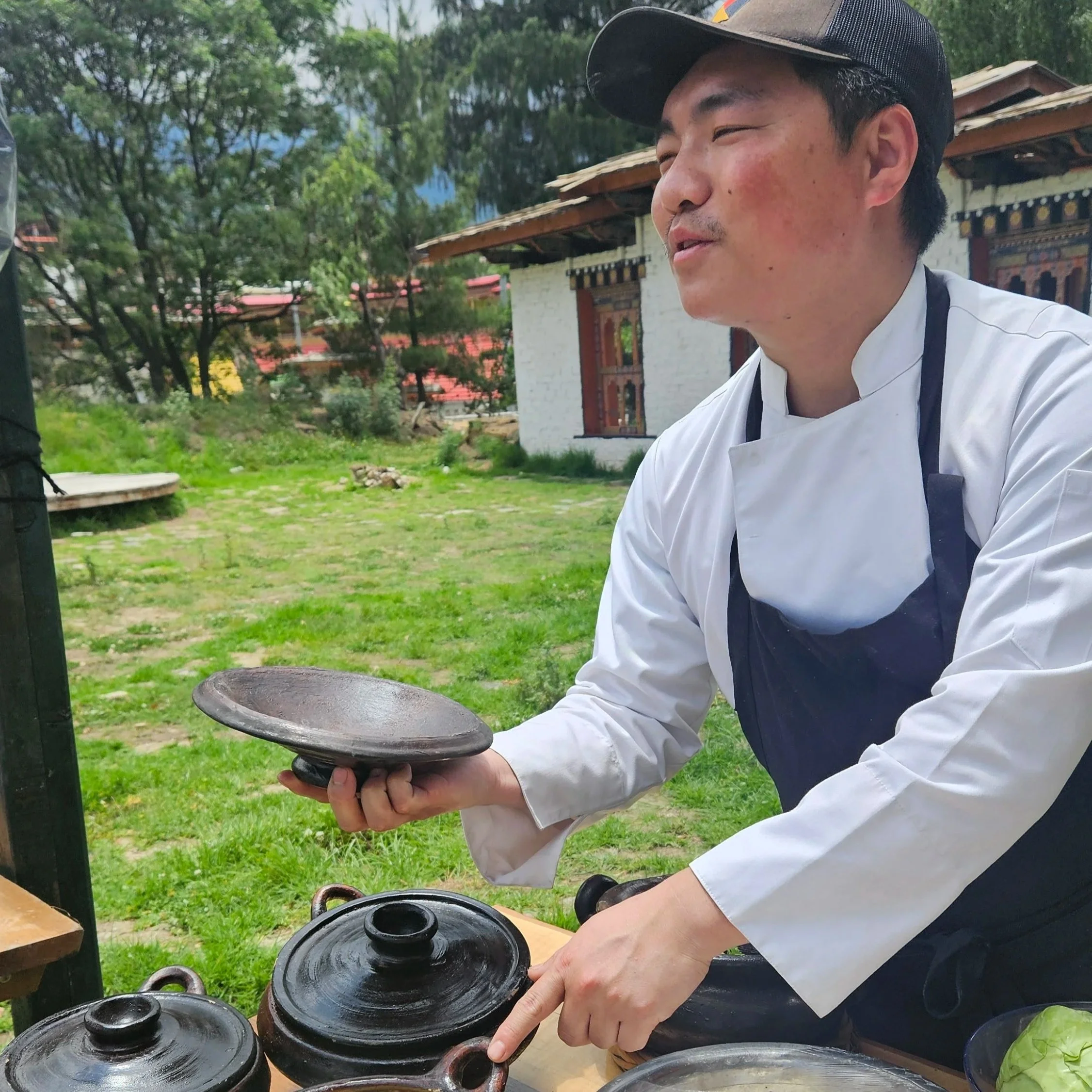
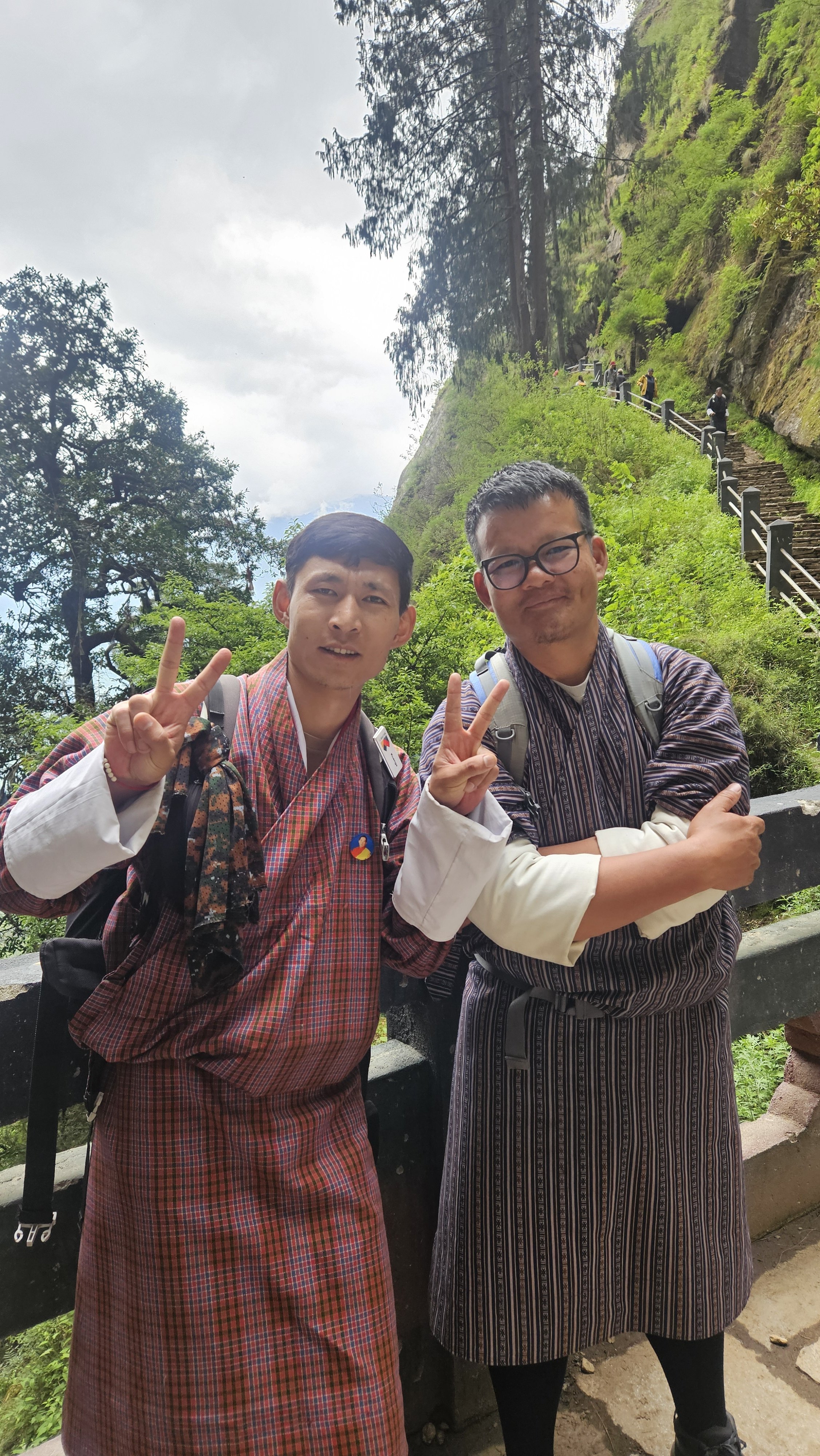
When I first boarded the plane to Bhutan, I was looking for some practical explanation for why people long to return. I came home realizing there wasn't a single answer. It was scattered across the kindness of the people.
Bhutan didn't change how I see the world. It simply reminded me of something I already knew, and too often forget: life happens in this moment. Maybe that's Bhutan's greatest gift, not offering an escape from everyday life, but showing us how to return to it more fully. If you travel there chasing a checklist of famous landmarks, you'll certainly find them. But if you arrive with curiosity and an open mind, you may walk away with something far more meaningful.